Filler vs Sculptra for Cheeks: Which Fits You?
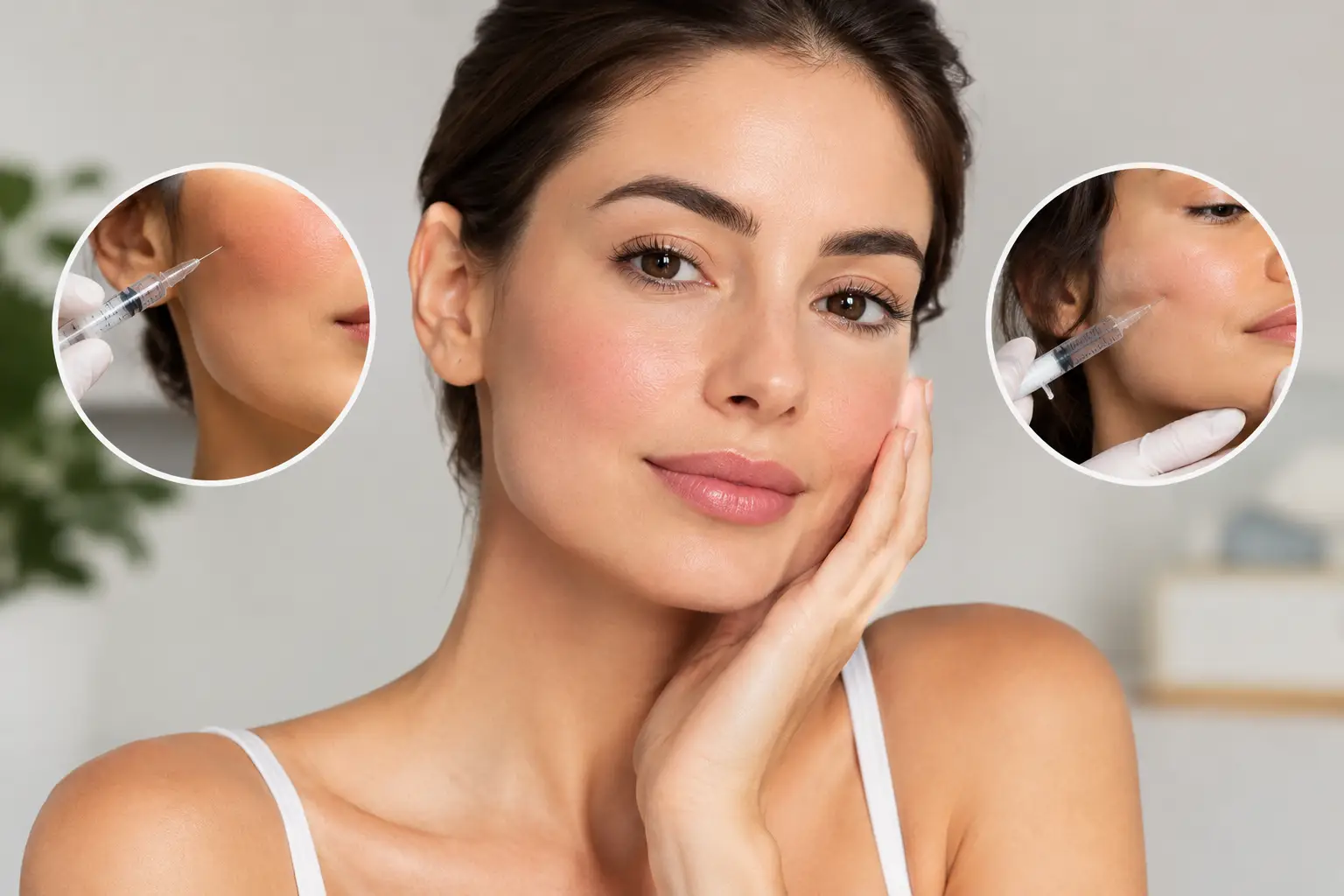
A fuller cheek can change more than the middle of the face. It can soften a tired look, bring balance to the jawline, support the under-eye area, and restore the gentle lift that naturally fades over time. But when patients ask about filler vs Sculptra for cheeks, they are usually asking a more personal question: Which option will look like me, just refreshed?
The answer depends on your facial anatomy, how quickly you want to see a change, the type of volume loss you have, and your comfort with a gradual treatment process. Both treatments can create beautiful cheek enhancement, but they work in very different ways.
Filler vs Sculptra for Cheeks: The Core Difference
Cheek filler is typically made with hyaluronic acid, a substance that occurs naturally in the body and attracts water. When placed precisely in the cheeks, it provides immediate structure and volume. Your provider can use it to create a higher cheek contour, restore a flatter midface, or improve balance between the cheeks, temples, under-eyes, and jawline.
Sculptra is a collagen-stimulating injectable made with poly-L-lactic acid. Rather than acting as a gel that fills an area right away, it encourages your body to gradually produce more collagen. The early fullness after a Sculptra appointment can partly reflect the sterile water used to dilute the product, so the true result develops slowly over several weeks and months.
Think of filler as a more direct approach to contour and support. Think of Sculptra as a gradual approach to rebuilding the skin's underlying collagen framework. Neither is automatically better. The most natural-looking choice is the one that matches your needs and is placed thoughtfully.
When Cheek Filler May Be the Better Choice
Hyaluronic acid filler is often a strong choice for someone who wants a visible improvement soon after treatment. While there can be temporary swelling or bruising, most patients can see their new cheek shape immediately. This makes filler appealing before a wedding, milestone birthday, photos, or other event where timing matters.
Filler also offers a high degree of precision. If one cheek is naturally flatter, or if you want more definition at a specific point along the cheekbone, an experienced injector can tailor placement in a very targeted way. It can be especially helpful for mild to moderate volume loss, asymmetry, or a patient who wants contour rather than widespread facial replenishment.
Another consideration is reversibility. Most hyaluronic acid fillers can be dissolved with an enzyme called hyaluronidase if medically appropriate. That does not mean filler should be treated casually, but it can provide reassurance for patients who are new to injectables or want a treatment with more flexibility.
Cheek filler is not always the right answer for broad, advanced volume loss. Adding too much gel filler in an effort to replace volume across the entire face can create an overfilled or puffy appearance. A conservative treatment plan, sometimes completed in stages, is often the most flattering path.
What results can look like
Well-placed cheek filler should not make you look like a different person. It may create a subtle lift, soften shadows beneath the eyes, restore proportion, and make makeup sit more smoothly on the face. Depending on the product used, your metabolism, and the treatment area, results often last around 9 to 18 months.
When Sculptra May Be the Better Choice
Sculptra can be a wonderful option for patients who notice diffuse facial volume loss rather than one specific hollow or contour concern. This may include a face that feels less supported overall, cheeks that have gradually flattened with age or weight loss, or skin that has begun to look thinner and less resilient.
Because Sculptra works through collagen stimulation, it is designed for patience. Results emerge gradually, typically over several months, and treatment is commonly performed as a series. The number of sessions and vials needed varies significantly based on your facial structure, age, degree of volume loss, and goals.
The payoff for the right candidate is a soft, progressive improvement that can look very natural. Friends may notice that you look rested or healthier without being able to identify exactly what changed. Results can last two years or longer for many patients, although collagen response and maintenance needs differ from person to person.
Sculptra may be especially appealing if you want a long-term plan for whole-face support and are comfortable with a slower transformation. It is not the best fit if you need an immediate cheek lift for an event next month or if your concern is a very precise area that needs small-scale shaping.
The aftercare matters
After Sculptra, your provider may recommend a massage routine to help distribute the product as directed. Following aftercare instructions is part of protecting your investment and supporting an even result. You should also be prepared for the possibility of temporary tenderness, swelling, bruising, or small lumps.
The Safety Conversation Is Not Optional
Both filler and Sculptra are medical aesthetic treatments, not one-size-fits-all beauty services. The cheek is a complex area with important blood vessels, nerves, and structural differences from patient to patient. Product selection, depth of injection, amount used, and the injector's knowledge of facial anatomy all matter.
Potential side effects for either treatment include redness, swelling, tenderness, bruising, and asymmetry. More serious complications, while uncommon, can occur with injectable treatments and require prompt medical attention. Sculptra also carries a risk of delayed papules or nodules, particularly if it is placed improperly or if aftercare is not followed.
A qualified medical provider should review your health history, previous injectables, medications and supplements, allergies, autoimmune concerns, pregnancy or breastfeeding status, and aesthetic goals before recommending treatment. Be honest about prior procedures, including permanent fillers, facial surgery, and threads. Good planning begins with the full picture.
Can You Use Filler and Sculptra Together?
Yes, in some treatment plans, these options complement each other beautifully. A provider may use Sculptra to address generalized volume loss over time, then use a small amount of hyaluronic acid filler for specific cheek definition, under-eye support, or facial balancing.
This combination is not about doing more for the sake of doing more. It is about choosing the right tool for each concern. For example, a patient may want Sculptra's gradual collagen support through the midface but need the immediate precision of filler to correct asymmetry along one cheekbone.
Your provider may also recommend treating other areas, such as the temples, chin, or jawline, to create proportion. Faces age as a connected structure. Focusing on cheeks alone can be appropriate, but sometimes a broader assessment leads to a result that looks more balanced and less obvious.
How to Decide What Is Right for Your Cheeks
Start by considering your timeline. If you want a visible change quickly, filler is often the more practical option. If you prefer gradual improvement and are building a longer-term collagen plan, Sculptra may be better aligned with your goals.
Next, consider the type of change you want. Defined cheekbones, correction of a small hollow, and targeted asymmetry often respond well to filler. Widespread facial deflation, thinning skin, and a desire for subtle restoration over time may point toward Sculptra.
Finally, consider your commitment. Filler may be maintained periodically, while Sculptra often requires a series up front and patience while collagen develops. Cost should be discussed in terms of your complete plan, not simply the price of one syringe or one vial. The least expensive option is not always the one that delivers the most appropriate result for your face.
At Refresh Aesthetics, the goal is never to chase a trend or place a product because it is popular. It is to understand what you see in the mirror, assess your facial structure carefully, and create a plan that respects your features. The best cheek treatment is the one that helps you look rested, balanced, and confidently like yourself.


Comments