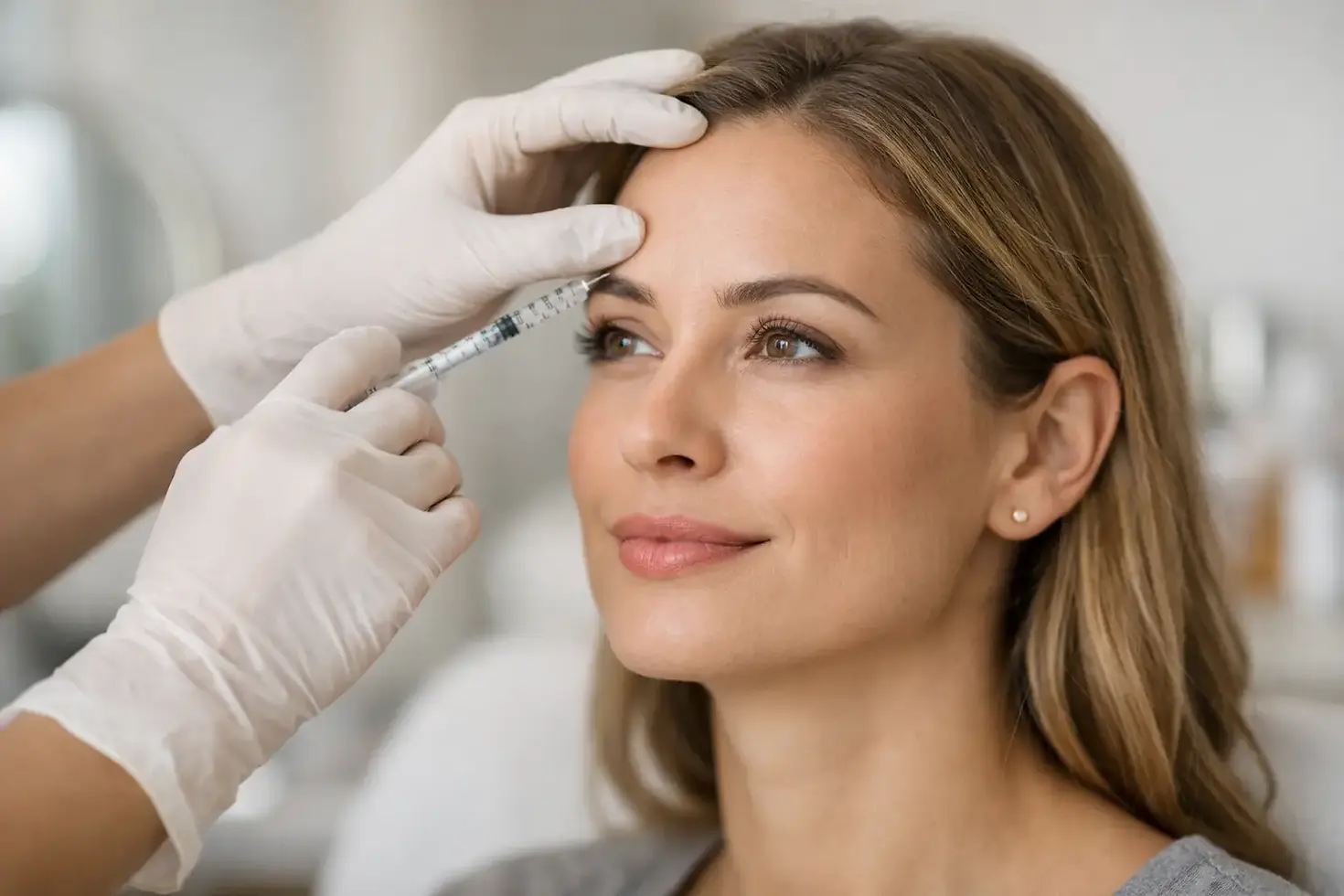
Preventative Botox in Your 30s: Is It Worth It?
You catch your reflection in bright bathroom lighting and notice the same faint line between your brows showing up even when your face is relaxed. That is usually the moment people start asking about preventative botox in your 30s - not because they suddenly look older, but because early movement lines are starting to linger.
This is also where a lot of confusion starts. Some people hear that Botox is best used early. Others worry they are too young, or that starting now means signing up for injections forever. The truth sits somewhere in the middle. Preventative treatment can be a smart option in your 30s, but it is not a rule, and it is not one-size-fits-all.
What preventative botox in your 30s actually means
Preventative Botox is not about freezing your face before a wrinkle ever has a chance to form. In a medical aesthetics setting, it usually means treating muscles that create repetitive expression lines before those lines become deep static wrinkles.
The most common areas are the forehead, frown lines between the brows, and crow's feet. In your 30s, many clients still have lines that come and go with expression. Others are beginning to see those lines stick around at rest. That difference matters.
Botox works by temporarily relaxing targeted muscles. When those muscles contract less forcefully, the skin above them folds less often. Over time, that can help slow the process that turns dynamic lines into etched-in wrinkles.
Why your 30s are a common time to consider it
Your 30s are often when collagen production starts to decline more noticeably, skin recovery slows, and years of facial movement, sun exposure, stress, and lifestyle habits begin to show. You may still look refreshed and youthful, but the skin does not always bounce back the way it did at 25.
That does not mean everyone needs injectables at this age. It means this decade is often the first time the conversation becomes relevant. If you are expressive, spend a lot of time in the sun, have a family tendency toward early forehead or glabellar lines, or already notice visible creasing at rest, preventative Botox may make sense sooner rather than later.
If your skin is smooth at rest and your movement lines disappear completely when your face relaxes, you may not need treatment yet. Good providers will say that clearly.
Who tends to be a good candidate
The best candidates are not defined by age alone. They are defined by anatomy, muscle strength, skin quality, and goals.
Someone in their early 30s with strong glabellar muscle activity and visible resting lines may benefit more than someone in their late 30s with minimal movement and excellent skin elasticity. Preventative Botox is often a good fit for patients who want subtle maintenance, not dramatic correction.
It can also be a good option for people who want to stay ahead of deeper lines instead of waiting until they feel bothered enough to need more product later. That said, if your main concerns are volume loss, skin laxity, texture changes, or pigmentation, Botox may only address part of the picture. Those concerns often call for a broader plan that could include skin remodeling treatments, medical-grade skincare, or other injectables.
The biggest misconception - starting early does not mean overdoing it
One of the most common fears is ending up with a stiff or unnatural look. Usually, that comes down to injector technique, dosing, and treatment philosophy, not the concept of starting in your 30s.
Preventative treatment is typically more conservative than corrective treatment. The goal is controlled softening of repetitive movement, not erasing every expression. A well-planned approach should leave you looking like yourself - rested, smoother, and less creased in the areas that tend to wrinkle first.
This is why consultation matters. Your provider should look at how your face moves, where lines persist at rest, and how much expression you want to keep. A personalized plan almost always gives a better result than chasing a standard number of units because someone else got them.
What results you can realistically expect
If you start Botox in your 30s, the payoff is usually subtle. You may notice that your makeup sits better on the forehead, your frown lines are less visible in photos, or your skin looks smoother when you are not actively making expressions.
You should not expect overnight anti-aging magic. Botox does not improve brown spots, tighten loose skin, or replace collagen loss. It treats muscle-driven wrinkling. That is an important distinction because people are often disappointed when they expect one treatment to solve every early sign of aging.
When it works well, preventative Botox can help maintain a smoother baseline over time. It may also reduce the need for heavier correction later, although that depends on your genetics, skincare habits, sun protection, and how consistently you treat.
How often do you need it?
Most patients return every three to four months, but the ideal timing varies. Some metabolize Botox faster. Some prefer a very soft result and come in less often. Others maintain a regular schedule because they like consistency.
You do not have to commit for life because you start in your 30s. If you stop treatment, your muscle activity gradually returns and your lines will continue to form naturally. You will not suddenly look worse because you stopped. You simply lose the temporary benefit.
For many patients, this is reassuring. Botox is a maintenance treatment, not a permanent contract.
Preventative botox in your 30s vs waiting until later
There is no universal right age to begin. The better question is whether your face is showing signs that muscle movement is beginning to leave a mark.
Waiting can be perfectly reasonable if your skin is still smooth at rest and your concern is mostly future aging. Starting earlier can be reasonable if those early lines are already sticking around. In practical terms, it is often easier to maintain mild lines than to reverse deeper ones once they are established.
Still, there is a trade-off. Starting earlier usually means more years of maintenance spending. Waiting may save money in the short term, but deeper lines can require a more involved approach later. A good provider will help you weigh both sides instead of pushing a treatment timeline that does not fit your goals.
What to ask at your consultation
A quality Botox consultation should feel educational, not salesy. You want to know whether your lines are dynamic or static, which areas actually need treatment, and whether Botox is the best first step.
Ask how many units are being recommended and why. Ask what level of movement reduction to expect. Ask whether your facial anatomy calls for a lighter touch. If you are new to injectables, it is also fair to ask what happens if you prefer more movement next time. Thoughtful aesthetic care should leave room for adjustment.
At Refresh Aesthetics, this kind of conversation is part of what makes treatment feel comfortable - you should never feel processed or pushed into more than you need.
Botox works best as part of a bigger aging-prevention plan
If your goal is aging well in your 30s, Botox is only one piece. Daily sunscreen matters. Skincare matters. Hydration, sleep, and lifestyle habits matter more than many people want to admit.
For some patients, combining conservative Botox with treatments that support skin quality gives a more balanced result than injections alone. If fine lines are paired with texture changes or early laxity, a provider may discuss options such as RF microneedling or a customized skincare regimen. The point is not to do more for the sake of more. It is to match the treatment plan to what your skin is actually doing.
So, is it worth it?
Preventative Botox in your 30s can absolutely be worth it if you are starting to see early resting lines, you want subtle maintenance, and you value a proactive approach. It may not be worth it if your skin still snaps back easily, your lines only appear with expression, or your main concerns are unrelated to muscle movement.
The right time is not when social media says it is. The right time is when your face, goals, and anatomy support it.
If you are curious, the best next step is not guessing. It is sitting down with a qualified injector who can tell you honestly whether now is the right time, where treatment would help, and where it would not. The best aesthetic results usually start that way - with a plan that feels natural, informed, and built around you.


Comments