
Collagen Banking Trends That Actually Work
Your skin’s collagen story is not written only when wrinkles appear. By the time lines, laxity, and changes in texture become obvious, the natural support system beneath the surface has often been changing for years. That is why collagen banking trends have become so popular among patients who want to be proactive about aging well, rather than waiting for a major correction later.
The phrase sounds simple: protect and support collagen now to help your skin maintain a firmer, smoother, more resilient appearance over time. But collagen banking is not a literal bank account, and it is not a promise that you can stop aging. It is a thoughtful approach to skin health that combines daily habits, realistic expectations, and the right professional treatments for your skin.
What Collagen Banking Really Means
Collagen is a structural protein that helps give skin its firmness, density, and spring. Our bodies naturally produce less of it as we age, with changes often beginning as early as our twenties. Sun exposure, smoking, poor sleep, chronic stress, rapid weight changes, and genetics can all affect how quickly those visible changes show up.
Collagen banking refers to making choices that protect the collagen you have while encouraging healthy collagen production when appropriate. For some people, that means committing to sunscreen and medical-grade skincare. For others, it may mean adding a collagen-stimulating treatment before skin laxity becomes more pronounced.
The key word is appropriate. A younger patient with early texture concerns may benefit from a completely different plan than someone in their fifties who is noticing deeper lines, volume loss, and looser skin. The best plan is never a one-size-fits-all package.
Why Collagen Banking Trends Are Growing
For years, aesthetic care was often framed around fixing a visible concern after it appeared. Today, more patients are interested in maintenance. They want natural-looking results, gradual improvements, and treatments that can support their confidence without changing their recognizable features.
This shift is especially common among adults in their late twenties through forties, but it is not limited to one age group. Many people are learning that prevention and correction can work together. A patient may use Botox to soften repetitive expression lines while choosing a skin-remodeling treatment to address texture and collagen support. Another may use filler selectively to restore structural volume that collagen-focused treatments alone cannot replace.
Social media has helped introduce the term, but it can also create confusion. Smooth, filtered images can make treatments seem instant or interchangeable. In reality, collagen remodeling takes time. Results develop gradually, and the most beautiful outcomes usually come from a plan that respects facial anatomy, skin quality, lifestyle, and budget.
The Foundation Still Matters Most
No in-office treatment can fully make up for ongoing UV damage. Daily broad-spectrum sunscreen is one of the most meaningful ways to protect the collagen already present in your skin. This is not glamorous, but it is the baseline of any effective long-term skin plan.
A consistent skincare routine also matters. Depending on your skin type and provider guidance, ingredients such as retinoids, antioxidants, and peptides may support healthier-looking skin over time. The right routine does not need to involve a crowded bathroom shelf. It needs to be used consistently and chosen for your actual concerns.
Lifestyle plays a role, too. Adequate protein, hydration, sleep, stress management, and avoiding tobacco support overall skin health. These habits will not erase deep wrinkles, but they can make your skin a better partner in any professional treatment plan.
Treatments That May Support Collagen
Radiofrequency microneedling is a major part of the conversation around collagen banking. Treatments such as Morpheus8 pair microneedling with radiofrequency energy to create controlled micro-injuries and deliver heat below the surface of the skin. This process is designed to stimulate the body’s healing response and support collagen and elastin remodeling.
For the right candidate, RF microneedling may help improve the look of fine lines, acne scars, enlarged pores, uneven texture, and mild skin laxity. It is especially appealing to patients who want visible skin-quality improvement without surgery. Results are not immediate, however. Skin remodeling continues over the weeks and months after treatment, and a series may be recommended depending on your goals.
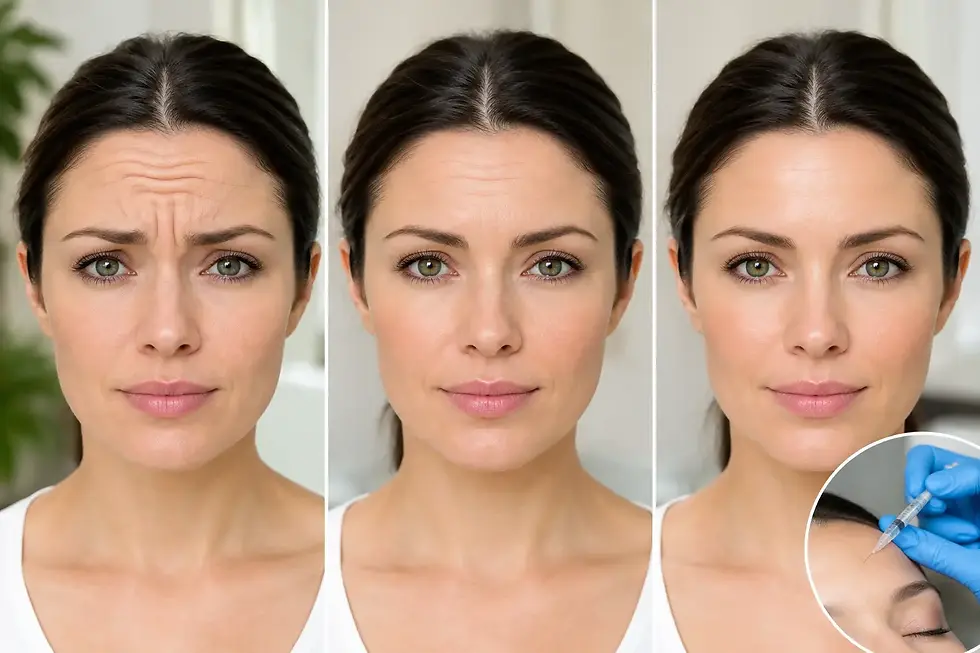
Neuromodulators such as Botox serve a different purpose. Botox does not build collagen in the same way RF microneedling is intended to, but it can help reduce the repetitive muscle movement that etches certain expression lines into the skin. When thoughtfully placed, it can be part of a preventive aesthetic plan that keeps the face looking rested and natural.
Injectable fillers also have a distinct role. They restore or enhance volume in areas where structural support has changed, such as the cheeks, temples, lips, or lower face. Fillers are not a substitute for healthy skin or collagen stimulation, and collagen-stimulating treatments are not always a substitute for volume restoration. The best approach depends on what is actually causing the concern.
What Collagen Banking Cannot Do
A responsible conversation about collagen banking includes its limits. It cannot permanently freeze your appearance, reverse every sign of aging, or guarantee that you will never need more advanced treatments. Genetics, sun exposure history, hormonal shifts, and significant weight loss can all influence the face and skin in ways that a single treatment cannot fully control.
It is also worth being cautious with claims around supplements. Oral collagen supplements may be useful for some people, but results can vary, and they should not be treated as a replacement for sun protection, skincare, nutrition, or clinically appropriate procedures. If you have medical conditions, take prescription medications, are pregnant, or are breastfeeding, speak with a qualified medical provider before adding supplements or pursuing aesthetic treatments.
More treatment is not always better. Over-treating the face can lead to an appearance that feels unlike you, while treating too aggressively or too frequently can be hard on the skin and your budget. A well-paced plan should leave room to assess how your skin responds.
A Better Way to Build Your Plan
The most effective collagen banking plans begin with an honest consultation. Instead of asking for a trending treatment by name, start with what you see and feel: makeup settling into lines, skin that feels less firm, acne scarring, crepey texture around the eyes, or early jowling. Those details help determine whether the priority is skin quality, muscle movement, volume, or a combination.
At Refresh Aesthetics, a personalized approach can make all the difference. Your provider can evaluate your skin, discuss your health history and comfort level, and explain what each treatment can realistically accomplish. That guidance matters because timing, treatment depth, product selection, and aftercare are not details to overlook.
A practical plan might include a consistent home routine and sunscreen, then strategically timed in-office treatments throughout the year. Someone with sun damage and texture concerns may prioritize RF microneedling. Someone whose first concern is forehead lines may begin with Botox. Someone with facial hollowing may need a conversation about conservative filler before focusing on surface-level skin changes.
How to Spot Smart Collagen Banking Trends
The healthiest trends are the ones that encourage consistency, individualized care, and realistic expectations. Be cautious of before-and-after photos taken in dramatically different lighting, packages that push treatments you do not understand, or promises of permanent results from a non-surgical procedure.
Ask who is performing the treatment, what technology is being used, what downtime to expect, and how results typically develop. You should also ask what the treatment will not address. A provider who can clearly explain limitations is more likely to be focused on your safety and long-term satisfaction than on a quick sale.
Collagen banking is less about chasing a youthful version of someone else and more about caring for your own skin with intention. Start with protection, choose treatments based on your needs, and give your results the patience they deserve.


Comments