
Dermal Fillers for Natural Facial Balance
A face can look tired long before it feels tired. Often, the change is not simply a wrinkle - it is a gradual loss of facial volume in the cheeks, temples, lips, or around the mouth. Dermal fillers are designed to address those changes with subtle, targeted support, helping you look refreshed while still looking like yourself.
The best filler treatment is rarely about making one feature larger. It is about proportion, facial balance, and a plan that respects your natural anatomy. At Refresh Aesthetics, that means starting with your goals, evaluating the whole face, and recommending only what supports a soft, believable result.
What dermal fillers can do
Dermal fillers are injectable gels used to restore volume, smooth certain folds, enhance facial contours, and improve symmetry. The most commonly used temporary fillers are made with hyaluronic acid, a substance that naturally occurs in the body and helps hold moisture in the skin.
With thoughtful placement, fillers may add gentle structure to the cheeks, refine the jawline or chin, soften lines around the nose and mouth, restore lip shape, or improve under-eye hollowing for appropriate candidates. Results vary by treatment area, product selection, metabolism, and the amount used.
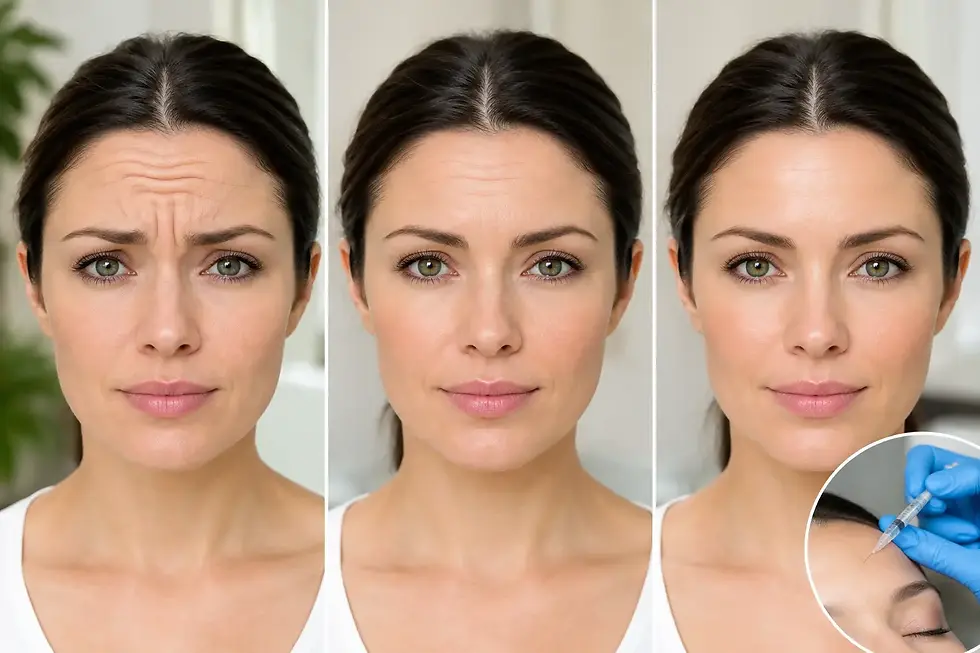
Fillers are not a replacement for every concern. They do not tighten significantly loose skin, erase deep expression lines caused by muscle movement, or create surgical-level lifting. In those situations, Botox, skin remodeling treatments such as Morpheus8, or a combination plan may make more sense. A skilled consultation helps separate what is possible from what is simply overpromised.
Why a full-face approach matters
It is easy to focus on the line or hollow you see first in the mirror. Yet facial aging is interconnected. When the midface loses volume, for example, it can make the folds beside the mouth look deeper. Treating only the fold may add more product than necessary and still fail to create the balanced look you want.
A full-face assessment considers bone structure, skin quality, movement, volume loss, and the relationship between your features. This does not mean every person needs treatment everywhere. It means your provider can make conservative recommendations that support your face rather than chase a single line.
For some clients, a small amount of cheek support creates the most noticeable improvement. For others, lip hydration and definition or chin balancing may better fit their goals. The right plan depends on your starting point, not a social media trend or a one-size-fits-all syringe count.
Common treatment areas
Cheek filler can restore midface fullness and create a more rested appearance. Chin and jawline filler may improve profile balance and definition. Lip filler can enhance shape, border, hydration, and proportion, whether you prefer a barely-there refresh or a more visible result.
Nasolabial folds and marionette lines can sometimes be softened with direct treatment, though nearby volume loss should be considered first. Under-eye filler requires especially careful candidate selection because the skin is thin and swelling or irregularities can be more noticeable in this area.
What happens during a filler appointment
Your appointment should begin with a conversation, not a syringe. A qualified injector will ask about your health history, previous injectable treatments, medications and supplements, allergies, and aesthetic preferences. They should also explain realistic results, alternatives, costs, and potential risks before treatment begins.
After photographs and facial assessment, the treatment area is cleansed. Many fillers contain lidocaine, and topical numbing may be used for additional comfort. Depending on the area and technique, your provider may use a very fine needle or a cannula. Treatment itself often takes less than an hour, although consultation time should never feel rushed.
You may see a change immediately, but the first look is not always the final result. Mild swelling can temporarily make the area appear fuller or less even. It commonly settles over several days, though some areas and individuals take longer. Your provider may schedule a follow-up if your treatment plan calls for it.
How long do dermal fillers last?
Longevity depends on the filler type, placement, your metabolism, and the movement in the treated area. In general, lip filler may last around six to 12 months, while fillers placed in areas with less movement, such as the cheeks, chin, or jawline, may last 12 months or longer. These are broad ranges, not guarantees.
Filler gradually metabolizes over time. Some people enjoy a maintenance appointment before the product has fully worn off, while others prefer to wait and reassess. A conservative approach can be especially helpful when you are new to injectables. You can always build gradually; removing excess volume is a far less appealing plan.
Safety should lead the conversation
Injectable treatments are medical procedures, even when the appointment feels quick and approachable. Choosing a trained, appropriately licensed medical provider with a strong understanding of facial anatomy matters more than finding the lowest advertised price.
Common, temporary side effects include tenderness, redness, swelling, bruising, and mild asymmetry while tissue settles. More serious complications are uncommon but possible, including infection, prolonged swelling, nodules, and accidental injection into a blood vessel. Vascular complications require immediate recognition and treatment.
Contact your provider promptly for concerning symptoms after treatment. Severe or worsening pain, unusual blanching or discoloration of the skin, changes in vision, or skin that appears dusky or mottled are urgent concerns. A responsible practice should provide clear aftercare instructions and be available to guide you if something does not feel right.
Hyaluronic acid fillers have an added advantage: in certain situations, they can be dissolved by a qualified provider using an enzyme called hyaluronidase. That does not make filler risk-free, but it is one reason hyaluronic acid products are often a starting point for clients seeking temporary enhancement.
Preparing for your appointment and caring for results
Before your appointment, share your full medical history and ask about medications or supplements that may increase bruising. Do not stop prescribed medication without direction from the clinician who manages it. If you have a history of cold sores and are considering lip filler, let your provider know, as preventive medication may be recommended.
After treatment, follow the specific instructions you receive. Many clients are advised to avoid strenuous exercise, excessive heat, alcohol, and pressure on the treated area for a short period, but recommendations can vary. Avoid aggressively massaging filler unless your injector instructs you to do so. A cool compress can help with comfort and swelling.
Plan your treatment with your calendar in mind. While many people return to normal activities quickly, bruising and swelling are possible. If you have an important event, consider scheduling several weeks ahead so you have room for healing and, if needed, a follow-up adjustment.
Is filler right for you?
Dermal fillers may be a good option if you want to restore lost volume, enhance a feature with a temporary treatment, or create more balanced facial proportions without surgery. Ideal candidates are generally in good health, have realistic expectations, and are open to a personalized recommendation rather than a predetermined procedure.
You may need to postpone treatment if you are pregnant or breastfeeding, have an active skin infection or cold sore outbreak near the treatment area, or are dealing with certain medical conditions. The consultation is where those details belong. Honest answers allow your provider to prioritize your safety and choose the right timing.
A natural-looking outcome should never feel like pressure to look less like yourself. It should feel like recognizing your own features with a little more softness, support, and confidence when you catch your reflection.


Comments