
Does Botox Prevent Wrinkles? What to Know
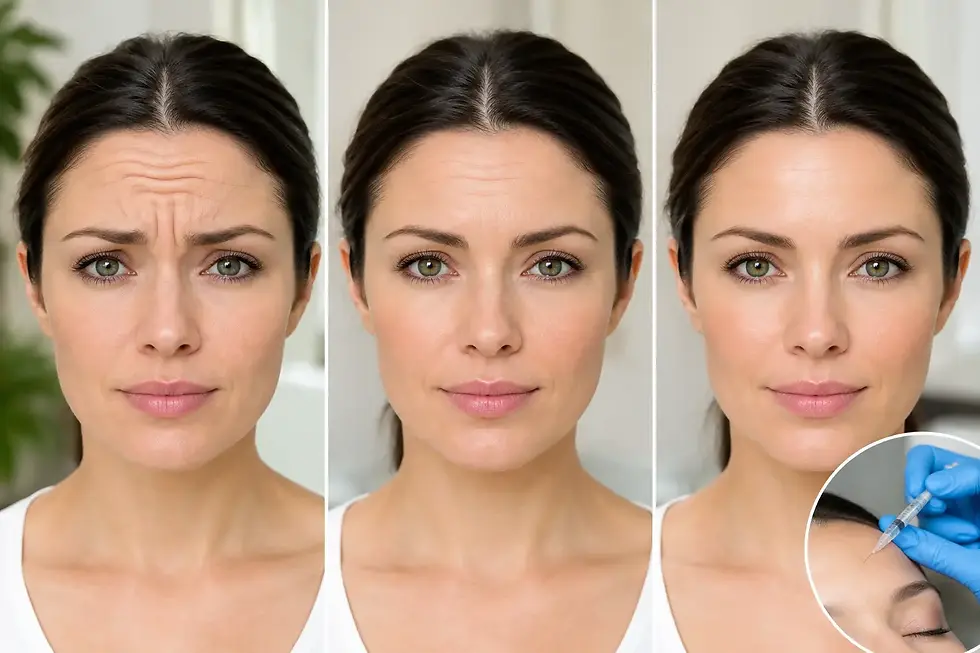
You may first notice it in photos: a crease between your brows that lingers after you relax, or fine lines at the corners of your eyes that seem more visible than they used to be. So, does Botox prevent wrinkles? It can help delay and soften certain expression-related lines by reducing the repeated muscle movement that contributes to them. But it is not a permanent stop sign for aging, and the best approach depends on your skin, facial movement, and aesthetic goals.
How Botox Helps Prevent Wrinkles
Botox is a neuromodulator, meaning it temporarily relaxes targeted muscles by interrupting the nerve signals that tell them to contract. In aesthetic treatment, it is commonly used for the lines between the eyebrows, horizontal forehead lines, and crow’s feet around the eyes.
Every smile, squint, frown, or raised brow creates a fold in the skin. When skin is young and resilient, it usually springs back once the expression ends. Over time, repeated folding, sun exposure, natural collagen loss, genetics, and lifestyle habits can allow those temporary lines to settle in even when your face is at rest.
By softening the muscle activity behind these expressions, Botox reduces the repeated creasing of the skin. That is why consistent, thoughtfully placed treatment may help keep dynamic lines from becoming deeper etched-in lines. It also explains why Botox can make existing expression lines look smoother without changing who you are or taking away your ability to look expressive.
Botox Prevents Dynamic Lines, Not Every Type of Wrinkle
The distinction between dynamic and static wrinkles matters when setting realistic expectations. Dynamic wrinkles appear mainly with movement. Think of the “11s” that show when you concentrate or the lines that fan outward when you smile. These are the lines Botox addresses most directly.
Static wrinkles remain visible when your face is completely relaxed. Some began as dynamic lines years earlier, while others are related to thinning skin, volume loss, sun damage, or changes in skin texture. Botox may soften a static line if muscle movement is still contributing to it, but it cannot replace lost facial volume or fully resurface damaged skin.
This is where a personalized plan makes a difference. A provider may recommend Botox as one part of a broader skin strategy, with medical-grade skincare, sun protection, filler for volume support, or skin remodeling treatments such as Morpheus8 when texture and laxity are also concerns. More treatment is not always better. The right combination is based on what is actually causing the concern.
When Should You Start Botox for Prevention?
There is no “right” age to begin Botox. Some people in their late 20s or early 30s have very strong facial movement and notice lines beginning to linger. Others may not feel bothered by expression lines until their 40s, 50s, or later. Starting because you are seeing a specific concern is more meaningful than starting because of a number on a birthday cake.
Preventive Botox is best understood as early intervention, not treatment for a face that has no visible movement or no concerns. If your forehead creases quickly, you frequently furrow your brow, or you notice lines remain after your expression relaxes, a consultation can help determine whether Botox is appropriate.
There is also no need to chase a perfectly smooth, motionless look. A skilled injector considers your natural brow position, muscle strength, facial anatomy, and the amount of movement you want to keep. For many clients, the goal is simple: look rested, softened, and like themselves.
What Results Can You Expect?
Botox results are gradual. Many clients begin to notice a change within a few days, with fuller results generally developing around two weeks after treatment. The treated area often looks smoother and the muscles feel less able to make the same deep expression.
Results typically last about three to four months, though this varies. Metabolism, dosage, the area treated, muscle strength, and how consistently you receive treatment can all affect longevity. Once Botox wears off, muscle movement returns gradually. It does not make wrinkles suddenly worse, although returning to your untreated baseline can make the change feel noticeable.
With regular treatment, some clients find that their lines appear softer over time because the skin has had a break from repeated folding. That benefit is possible, but it is not guaranteed. Skin quality still depends on daily habits, biology, and the care plan you follow between appointments.
The Role of Sun Protection and Skincare
Botox works on muscle movement. It does not protect skin from ultraviolet exposure, dehydration, smoking, or collagen loss. Daily broad-spectrum sunscreen is one of the most effective ways to support a wrinkle-prevention plan, whether or not you choose injectables.
A simple, consistent routine can go a long way. Gentle cleansing, moisturizer suited to your skin type, sunscreen, and provider-guided ingredients such as retinoids or antioxidants can support smoother-looking skin. The best routine is one you can actually maintain, rather than an elaborate shelf of products you use for two weeks.
Lifestyle factors matter, too. Sleep, nutrition, stress management, and avoiding tobacco all support skin health. None of these habits erase every wrinkle, nor should they carry the pressure of perfection. They help you care for your skin while Botox addresses the expression patterns that skincare alone cannot stop.
Why Technique Matters as Much as the Product
Botox is a medical treatment, and the person evaluating and injecting you matters. Facial muscles are not identical from one person to the next. An experienced provider evaluates how your brows move, whether your eyelids tend to feel heavy, where your wrinkles form, and whether you have asymmetry that should be respected rather than overcorrected.
A conservative, customized approach can reduce the risk of an overly frozen look. It also gives your provider room to adjust at a follow-up appointment if needed. Choosing treatment based only on the lowest price can be tempting, but thoughtful assessment, appropriate dosing, and proper technique are central to a safe, natural-looking result.
Botox is not right for everyone. Be open with your provider about medications, allergies, prior procedures, pregnancy or breastfeeding, neurological conditions, and any history of eyelid drooping. Temporary effects such as redness, swelling, tenderness, headache, or bruising can occur. Less common complications, including unwanted muscle weakness or eyelid drooping, are reasons to seek care from a qualified medical professional and follow post-treatment instructions closely.
A Personalized Way to Approach Botox
The most successful Botox plan does not begin with a unit number or a trend. It begins with a conversation about what you see in the mirror, what feels like you, and what level of change feels comfortable. At Refresh Aesthetics, that individualized guidance is part of creating results that feel refined rather than overdone.
If you are considering Botox for wrinkle prevention, give yourself permission to ask questions. You deserve to understand what the treatment can improve, what it cannot, and how it may fit with your long-term skincare goals. A softer expression and a confident, natural result often start with a plan designed for your face, not someone else’s.


Comments